Chasing Lightning: Progressive Jackpots' Hidden Mechanics in Slot Machines
Vera Schmid · Mar 21, 2026
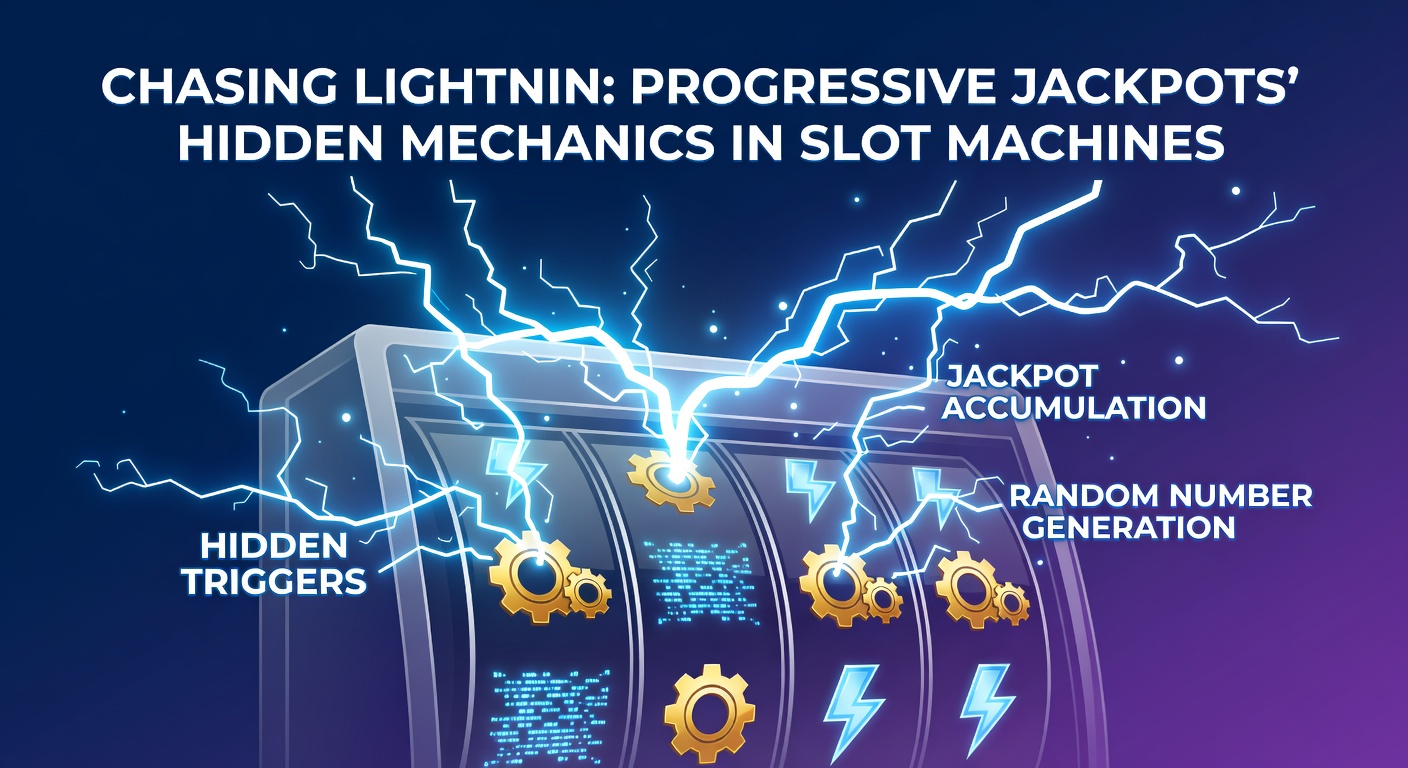
Chasing Lightning: Progressive Jackpots' Hidden Mechanics in Slot Machines
The Allure and Basics of Progressive Jackpots
Slot machines draw crowds with their flashing lights and promise of life-changing wins, yet progressive jackpots stand out by linking bets across machines or even casinos, building pots that swell into millions while players spin hoping to hit the lightning strike. These jackpots, often displayed prominently above banks of slots, accumulate from a small percentage of every wager placed, whether in land-based venues or online platforms, creating a shared pool that resets only after someone claims the prize. Data from industry trackers shows these systems have doled out over $2 billion in payouts annually in major markets, turning ordinary spins into headline-grabbing windfalls.
Take the classic setup: a player drops coins into a machine, and say 2-5% of that bet funnels directly into the progressive meter, while the rest covers teh base game's return-to-player (RTP) percentage, typically hovering around 85-95% for non-progressive slots but dipping lower when a jackpot layer adds excitement. But here's the thing; that contribution rate varies wildly by game design, jurisdiction, and operator strategy, with some titles reserving just 1% for the big prize while others push higher to lure crowds faster.
How the Funds Build: Seeding, Linking, and Growth Patterns
Operators kick things off with a "seed" amount, often $10,000 or more for major progressives, ensuring the pot starts enticing even before bets pile in; from there, every qualifying wager—usually on max bet lines—adds increments, sometimes as tiny as cents per spin, yet across thousands of machines or online sessions, the growth accelerates into the stratosphere. Networked progressives connect dozens, hundreds, or even thousands of slots across casinos in a region or globally, amplifying the pool; local ones, confined to a single floor or property, reset quicker but cap lower.
Figures from the Nevada Gaming Control Board reveal that wide-area networks in Las Vegas alone generated jackpots exceeding $39 million in peak years, with growth curves following exponential patterns tied to player volume, peak hours, and promotional boosts like bonus contributions during events. And while base games pay smaller wins steadily, the progressive layer operates independently, triggered not by simple line combos but by hidden algorithms watching spin data in real time.
Unpacking the Hidden Mechanics: RNG, Triggers, and Probability Layers
At the core lies the random number generator (RNG), a certified software engine churning millions of outcomes per second, determining symbols, bonuses, and jackpot eligibility without bias toward hot or cold streaks, as independent labs like Gaming Laboratories International verify through rigorous testing. But what's interesting about progressives involves layered probabilities: the top jackpot might require a one-in-50-million combo, yet secondary levels offer better odds, say 1-in-10,000, creating tiered chases that keep meters moving.
Must-hit-by jackpots add another twist, programmed to guarantee a drop before reaching a secret cap—for instance, triggering 95% of the way to a $50,000 ceiling—while mystery jackpots fire randomly within a range, say anytime between $5,000 and $15,000, based on weighted RNG pulls that intensify as the pot climbs. Research from the Gaming Laboratories International (GLI) highlights how these mechanics balance house edge, with effective RTP for the progressive portion often under 1% until it hits, offset by the seed and rapid resets.
Operators tweak contribution rates dynamically in some jurisdictions, ramping them during low-traffic periods to spark growth, although regulations cap total house advantage; networked systems centralize servers, syncing data via secure links to prevent tampering, while standalone progressives handle it all machine-side for simplicity.

Myths Busted: No Patterns, No Due Payouts, Just Math
Players often swear by hunches, chasing machines that "look ready" after near-misses or long dry spells, but data crushes those tales; each spin stands alone under RNG certification, with no memory of past plays, as Australian studies from the NSW Responsible Gambling Fund confirm through millions of simulated sessions showing uniform distribution over time. Hot streaks happen by chance, clustering wins randomly, while cold periods stretch because the house edge grinds steadily—progressives amplify this, with average hit frequencies stretching months between majors.
One case saw a Nevada local progressive drop 17 times in a week on a $250,000 cap due to sheer volume from a convention crowd, yet the math held: probability dictated clusters, not predictability. Observers note how visible meters fuel the chase, psychologically priming bets even as true odds remain astronomical.
Regulatory Oversight Across Borders: Safeguards and Scrutiny
Gaming authorities worldwide mandate transparency in progressive mechanics, requiring full disclosure of contribution rates, RTP calculations, and trigger probabilities in technical specs submitted pre-launch; in the US, Nevada's board audits networked systems quarterly, ensuring seeds match advertised minimums and payouts execute flawlessly. Europe's Malta Gaming Authority enforces similar via remote monitoring, flagging anomalies like stalled growth, while Canada's provincial regulators, such as Ontario's iGaming arm, cap jackpot contributions to protect base RTP.
Australia's state bodies demand must-hit caps be verifiable, preventing endless climbs that erode player trust; these rules evolved from past scandals, like early 2000s glitches delaying payouts, now virtually eliminated through blockchain-like audit trails in modern servers. And as digital shifts accelerate, regulators preview tighter RNG standards for March 2026 implementations in select EU markets, aiming to standardize cross-border progressives amid rising online play.
Real-World Case Studies: From Megabucks to Modern Networks
The Megabucks network in Nevada redefined jackpots in 1989 when a single spin netted $39.7 million—still the record—built from 1-cent contributions across 700 machines, resetting to $10 million seed; dissect that win, and it stemmed from a precise five-symbol alignment on max bet, odds pegged at 1-in-49.8 million per the game's par sheet. Fast-forward, and online counterparts like Mega Moolah mirror this, doling $20 million+ pots via global links, with one 2023 Canadian player scooping CA$19.3 million after a 0.75 CAD bet, as operator Microgaming reported.
Smaller tales abound too: a tribal casino in Oklahoma saw its $1 million mystery progressive hit thrice in days, each time on rising plays nearing the hidden 90% threshold, illustrating how volume dictates drops. These examples underscore the mechanics—steady drips into vast pools, punctuated by rare bolts that reshape lives.
Tech upgrades now blend skill mini-games into triggers for some titles, boosting engagement without altering core RNG fairness, while mobile apps sync live jackpots, letting players track from anywhere; yet the hidden math persists, indifferent to cheers or groans.
Tech Evolution and Player Impact: Servers, Apps, and Data Flows
Modern progressives run on cloud servers aggregating bets in milliseconds, with encryption shielding pots from hacks; developers like IGT and Aristocrat embed proprietary algorithms, certified to 99.999% uptime, handling spikes like tournament surges where contributions double temporarily. Player data shows higher volatility draws bigger crowds, with sessions averaging 20% longer on progressive banks, per casino analytics.
But the rubber meets the road in volatility: chasing lightning means enduring base game droughts for that slim shot, a trade-off data from European operator reports quantifies as 92% of progressive bets returning via small wins, leaving 8% for the dream. Observers who've tracked this note how it sustains the ecosystem, funding seeds anew after each hit.
Conclusion: The Calculated Thrill Behind the Chase
Progressive jackpots weave math and spectacle into slot play, funneling fractions of bets into escalating prizes governed by RNG rigor, regulatory eyes, and networked might, delivering verifiable fairness amid the glamour. From seeded starts to must-hit caps, their mechanics reveal no secrets beyond probability's unyielding logic, powering billions in payouts while regulators sharpen tools—like those eyed for March 2026—to keep the balance. Players keep spinning, machines keep ticking, and occasionally, lightning strikes true.