Coordinating Payment Channels and Layered Rewards Across Live Dealer Networks
Xander Schmitt · Jun 24, 2026
Coordinating Payment Channels and Layered Rewards Across Live Dealer Networks
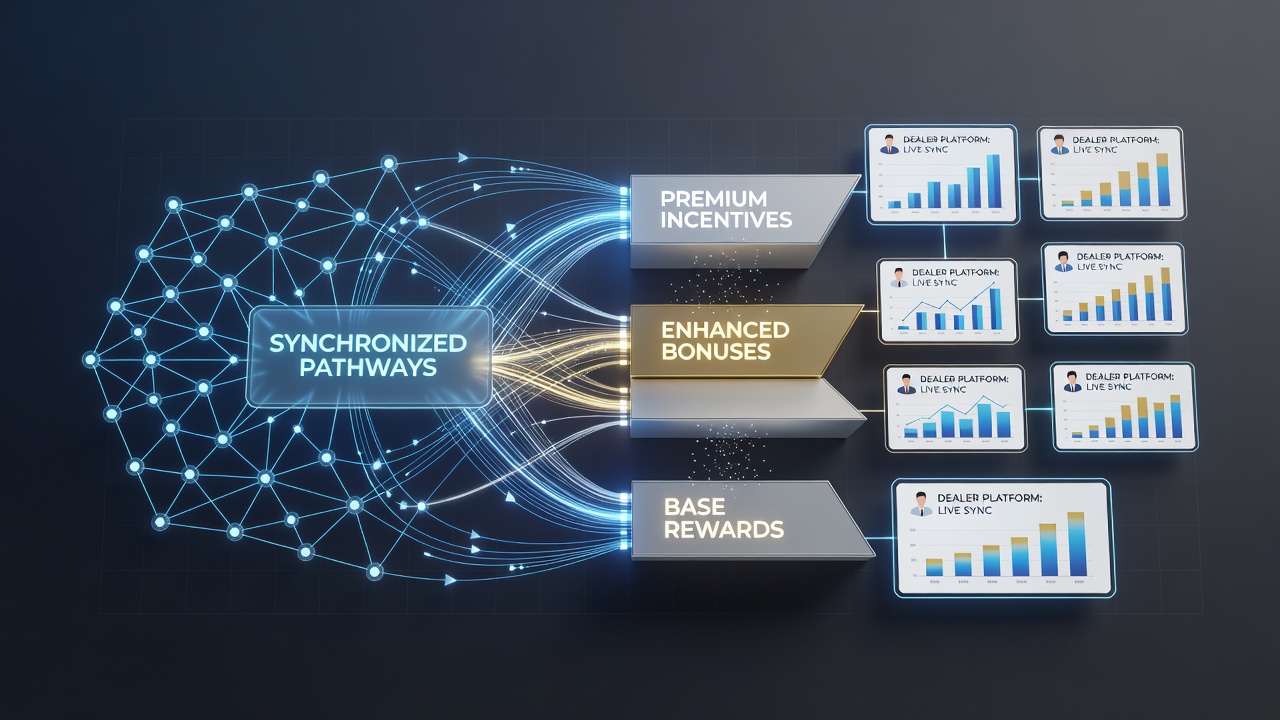
Transaction pathways in interactive dealer platforms connect deposits, withdrawals, and game settlements directly to incentive structures that adjust rewards based on player activity levels. These systems track real-time data from live dealer sessions where cards are dealt and bets are placed, then apply tiered benefits such as bonus multipliers or cashback percentages that scale with accumulated play volume. Operators maintain separate ledgers for base transactions and incentive accruals, yet the pathways merge at reconciliation points to ensure rewards reflect verified activity without delays.
Core Components of Integrated Systems
Payment gateways serve as the entry points where funds move into player accounts while simultaneously logging data that feeds into reward engines. Live dealer platforms record every hand or spin outcome alongside bet sizes, then route that information through APIs to central databases that calculate eligibility for higher tiers. Tiered incentives often include three to five levels, with each level unlocking faster payout processing or elevated reward rates, and synchronization occurs through timestamp matching that aligns transaction records with activity logs. Researchers at the University of Nevada, Las Vegas have documented how such alignments reduce reconciliation errors by up to 40 percent when automated protocols run continuously.
Regional Implementation Patterns
In North American markets, platforms operating under the New Jersey Division of Gaming Enforcement have adopted unified ledgers that update both transaction status and incentive balances within the same processing cycle. European operators follow similar patterns yet incorporate additional compliance checks tied to cross-border payment rules, whereas Australian systems emphasize instant tier upgrades during live sessions to maintain engagement across desktop and mobile interfaces. Data from the American Gaming Association shows that synchronized platforms handle an average of 2.8 million daily transactions while maintaining reward accuracy above 99 percent, and those figures continue to rise as more networks adopt standardized data formats.
June 2026 marks the scheduled rollout of new interoperability protocols across several Asia-Pacific jurisdictions, where regulators require platforms to demonstrate real-time linkage between payment rails and incentive calculators before renewing operating licenses. These protocols specify that any change in a player's tier status must trigger an immediate update to pending transaction queues, preventing mismatches that previously caused delayed reward credits.
Technical Mechanisms Driving Synchronization
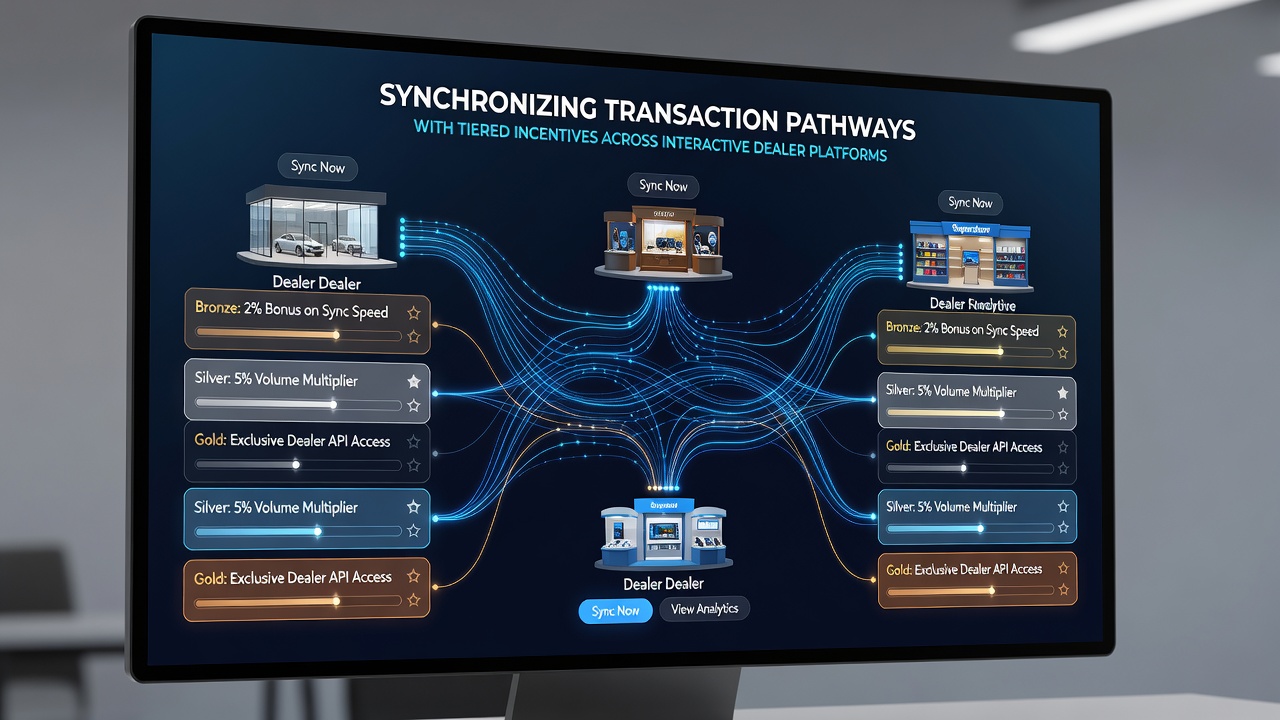
Application programming interfaces form the backbone that allows dealer software to push bet and outcome data directly into transaction management modules. When a player reaches a new incentive tier, the system automatically adjusts the fee structure or bonus allocation for all subsequent transactions without requiring manual intervention. Blockchain-based audit trails appear in some implementations, where each transaction and reward event receives a timestamped entry that both the operator and external auditors can verify. The European Gaming and Betting Association reports that platforms using these methods experience 35 percent fewer disputes related to missing rewards, since the immutable records eliminate ambiguity over when a tier upgrade took effect.
Security layers encrypt both financial data and incentive calculations during transmission, while fraud detection algorithms scan for patterns that might indicate attempts to exploit tier thresholds through rapid small transactions. Observers note that these algorithms operate in parallel with the main pathways, flagging anomalies within milliseconds and pausing affected accounts until verification completes.
Operational Outcomes Across Networks
Operators that maintain synchronized pathways report higher retention among players who move between live dealer tables and other game types, because reward progress carries over seamlessly regardless of the specific table or dealer. Case studies from Singapore's Casino Regulatory Authority highlight one network where tiered cashback rates increased player return visits by 22 percent within six months of implementation. Transaction settlement times average under four seconds once the incentive layer confirms eligibility, and this speed holds steady even during peak evening hours when live dealer traffic peaks.
Staff training focuses on monitoring dashboard alerts that display both transaction volumes and current tier distributions, allowing quick adjustments to incentive parameters when certain thresholds show unusual activity. These dashboards pull from the same unified database that handles payments, ensuring that any manual override immediately reflects across all connected systems.
Future Developments and Standards
Industry working groups continue to refine data exchange standards that will allow different platform providers to share transaction and incentive information without exposing proprietary algorithms. Pilot programs scheduled for late 2026 aim to test cross-operator tier portability, where a player's accumulated status could transfer between networks under regulated conditions. Such developments would require even tighter synchronization protocols to prevent duplicate rewards or conflicting transaction records.
Academic papers from research teams at the University of Sydney emphasize that successful synchronization depends on consistent data schemas across payment processors, game servers, and reward engines. When these schemas align, the resulting system supports complex incentive structures without introducing latency into core transaction flows.
Conclusion
Coordinated transaction pathways and tiered incentives form an operational framework that links financial movements directly to reward calculations across interactive dealer platforms. Regional regulators continue to set requirements that push operators toward real-time integration, while technical standards evolve to support larger transaction volumes and more granular incentive levels. The June 2026 implementations in Asia-Pacific markets represent one milestone in this ongoing alignment process, with similar updates expected in other jurisdictions as data exchange protocols mature.