Interconnected Systems: How Mobile Interfaces Coordinate Live Sessions with Loyalty Benefits and Transaction Security
Vera Schmid · Aug 12, 2026
Interconnected Systems: How Mobile Interfaces Coordinate Live Sessions with Loyalty Benefits and Transaction Security
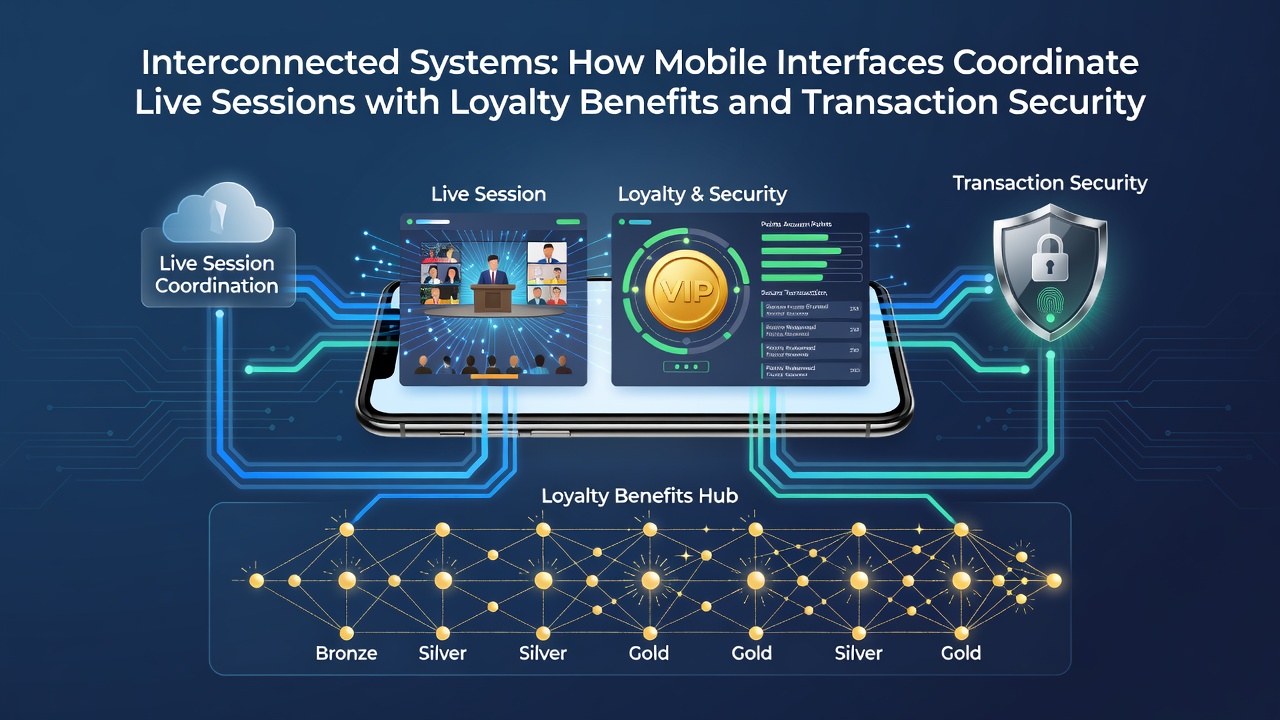
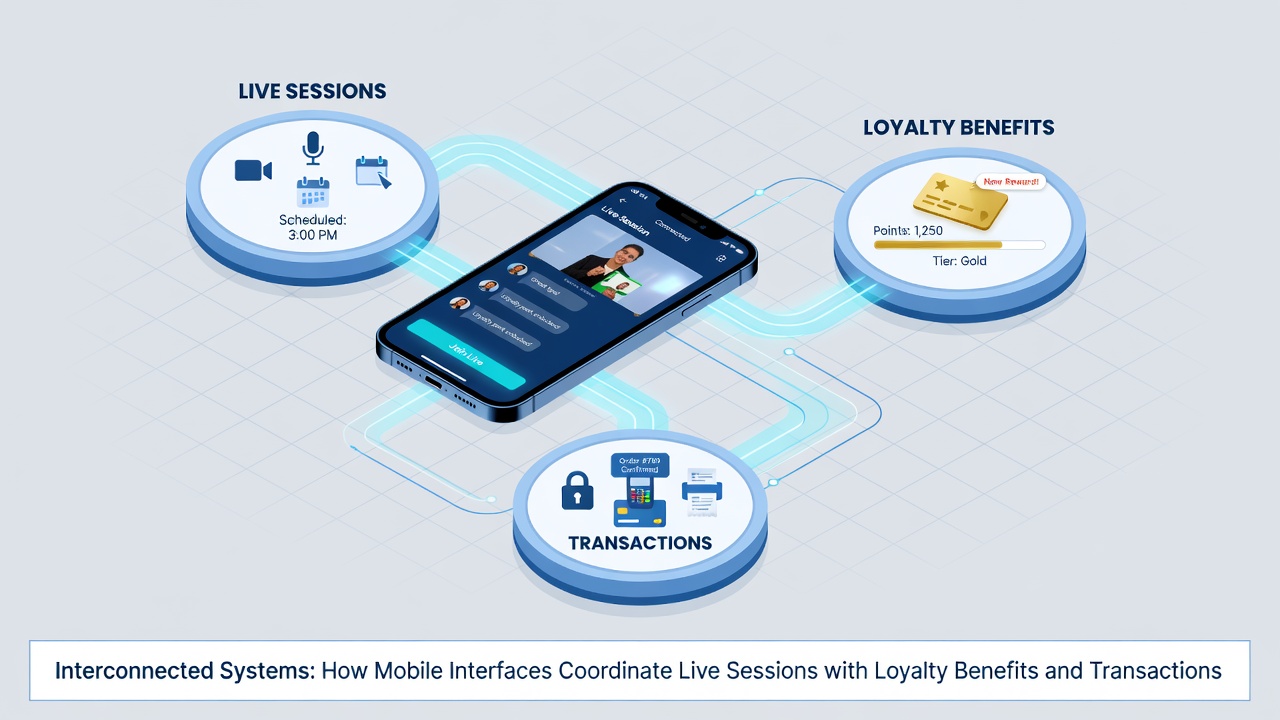
Modern mobile platforms integrate multiple functions into single interfaces that handle live gaming sessions alongside loyalty tracking and payment processing, and developers have built these systems to update in real time as users move between activities. Data flows through centralized servers that push loyalty updates during active sessions while encryption layers protect each transaction without interrupting the flow of play. Observers note that this coordination relies on APIs that connect the live dealer feed directly to the user account database so rewards accumulate instantly based on session length and wager amounts.
Live Session Management Through Mobile Channels
Live dealer games on mobile devices stream video from studio locations while the interface overlays account details and session timers, and the system records each hand or spin to calculate points that feed into loyalty programs without separate logins. Developers use WebSocket connections to maintain continuous data exchange between the video stream and the backend servers, which allows the app to adjust bonus multipliers mid-session when certain thresholds get reached. Those who study these platforms find that synchronization happens through timestamped events so a player completing a live blackjack round sees loyalty credits appear within seconds rather than after manual refresh.
Loyalty Benefits Tied to Real-Time Activity
Loyalty structures award points based on participation in live sessions and these points convert into tier upgrades or cashback offers that activate automatically once the mobile interface detects qualifying activity. The coordination extends to personalized offers that appear during the session itself, such as boosted rewards for staying in a particular game type for a set duration, and backend algorithms pull from transaction histories to tailor the benefits. Research from industry reports shows that this integration reduces the steps users take to claim rewards because the mobile layer handles verification internally rather than routing requests through separate portals.
Transaction Security Layers in Coordinated Environments
Security protocols embed tokenization and multi-factor checks into every payment action that occurs alongside live sessions, and the same interface that displays the game feed also manages the authorization steps so users complete deposits or withdrawals without leaving teh active screen. According to findings from the Nevada Gaming Control Board, encryption standards applied at the mobile level prevent interception during the brief windows when loyalty redemptions trigger additional transfers. Systems further employ behavioral monitoring that flags unusual patterns across both gaming activity and payment requests, which triggers additional verification only when needed rather than at every step.
Integration Examples Across Platforms
One documented case involved a North American operator that linked its live roulette tables to a loyalty engine through a single mobile dashboard, resulting in point accruals that updated during each spin while secure payment confirmations appeared in the same view. Another instance from an Australian regulatory filing described how transaction logs fed directly into VIP tier calculations so high-volume sessions automatically unlocked benefits without separate processing queues. These setups demonstrate how the mobile interface acts as the central hub that routes data between the live stream, the rewards database, and the payment gateway.
Developments Expected in August 2026
Upcoming updates scheduled for August 2026 include enhanced cross-device syncing that lets users switch from mobile to tablet mid-session while loyalty balances and security tokens remain consistent. Regulators in multiple regions have outlined requirements for stronger audit trails that capture every interaction between live feeds and payment systems, and operators are preparing interface revisions to meet those standards. Data from preliminary tests indicates that these changes will allow loyalty benefits to apply across multiple game types within one continuous session without additional authentication steps.
Technical Architecture Supporting the Coordination
The underlying structure uses microservices that separate the video delivery, point calculation, and payment processing yet connect through secure message queues, and this design lets each component scale independently while maintaining synchronized user states. Mobile apps query these services through encrypted channels that also carry the loyalty metadata so the display reflects both game progress and reward status at once. Experts have observed that this architecture reduces latency because the services share a common user session identifier rather than relying on repeated database lookups.
Conclusion
Mobile interfaces now serve as the point where live sessions, loyalty mechanisms, and transaction security converge through shared data pathways and real-time updates. The coordination achieved in these systems stems from deliberate architectural choices that keep all elements aligned during active use. As platforms continue to refine these connections, the focus remains on maintaining secure and consistent experiences across the various functions users access in a single session.