Payment Protocol Dynamics Affecting Jackpot Eligibility in VIP Mobile Gaming Structures
Bianca Hartmann · Jul 27, 2026
Payment Protocol Dynamics Affecting Jackpot Eligibility in VIP Mobile Gaming Structures
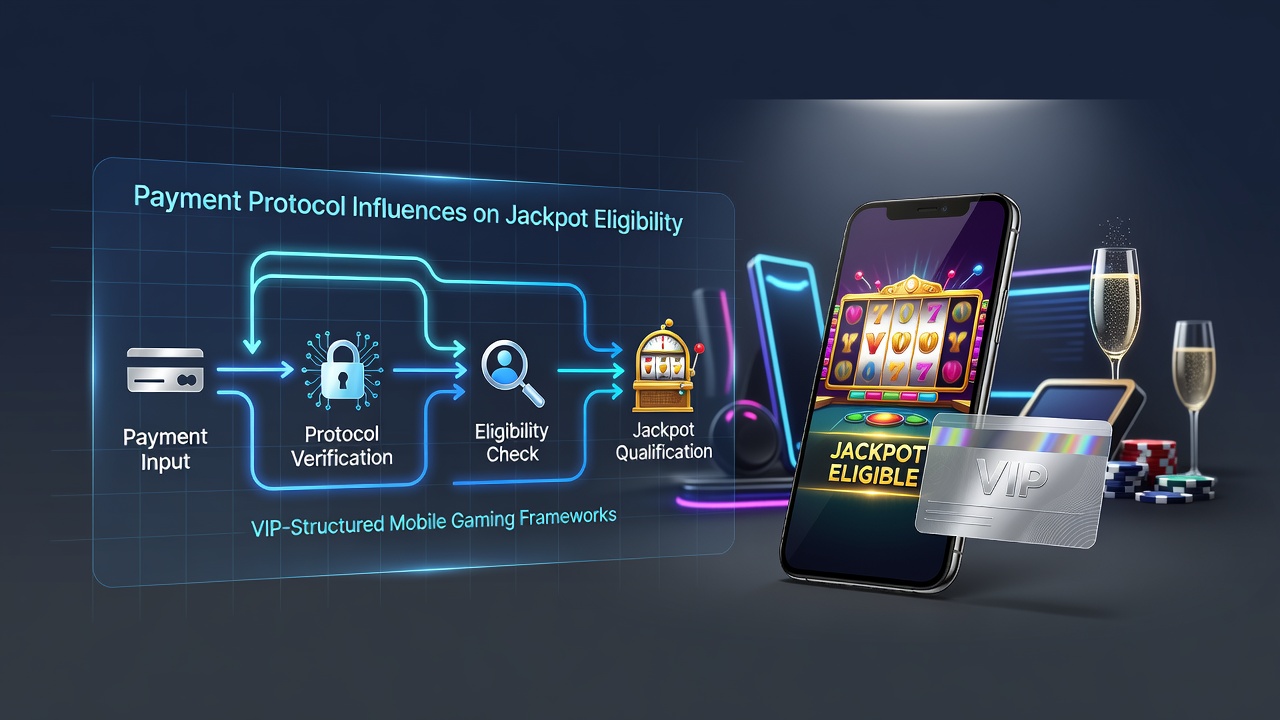
Payment protocols shape jackpot eligibility inside VIP-structured mobile gaming frameworks through verification layers, transaction speed requirements, and tiered access rules that operators enforce across multiple jurisdictions. These systems connect deposit methods directly to player status calculations, where instant confirmation often unlocks higher jackpot pools while delayed or flagged transactions can restrict participation until compliance checks clear.
Core Mechanisms Linking Payments to VIP Status
Operators integrate payment gateways with loyalty engines so that each successful deposit or withdrawal contributes to points accumulation, and researchers at the University of Nevada Reno have documented how protocol choices determine whether a player qualifies for progressive jackpot tiers. Faster methods such as certain e-wallets or approved bank transfers allow immediate point crediting, whereas slower card processors may place temporary holds that delay VIP advancement until funds settle completely.
Security protocols add another filter because anti-money laundering routines require source-of-funds verification on larger transfers, and data from the Nevada Gaming Control Board shows that accounts undergoing these reviews lose access to certain jackpot categories until documentation receives approval. Mobile frameworks automate much of this process through API connections that flag anomalies in real time, which keeps high-value players moving through eligibility gates without manual intervention in most routine cases.
Regional Variations in Protocol Standards
Frameworks operating under Canadian provincial rules apply different settlement timelines compared with those following Australian state guidelines, and observers note that these differences create distinct eligibility windows for cross-border VIP users. A player moving between regions might see jackpot access restored or suspended based solely on which protocol their chosen payment provider follows during the transition period.
Studies compiled by the Australian Gambling Research Centre highlight that protocol updates rolled out in early 2026 improved reconciliation speeds for several major networks, allowing VIP accounts to regain full jackpot eligibility within hours rather than days after large deposits. Mobile operators adopted these changes to reduce friction for high-tier players who rely on consistent access across multiple game libraries.
By July 2026 several frameworks had synchronized their payment verification APIs with updated biometric checks, which reduced false flags that previously blocked jackpot entries for verified VIP accounts. This shift streamlined the path from deposit confirmation to jackpot pool participation while maintaining regulatory compliance across participating jurisdictions.
Transaction Types and Their Influence on Access
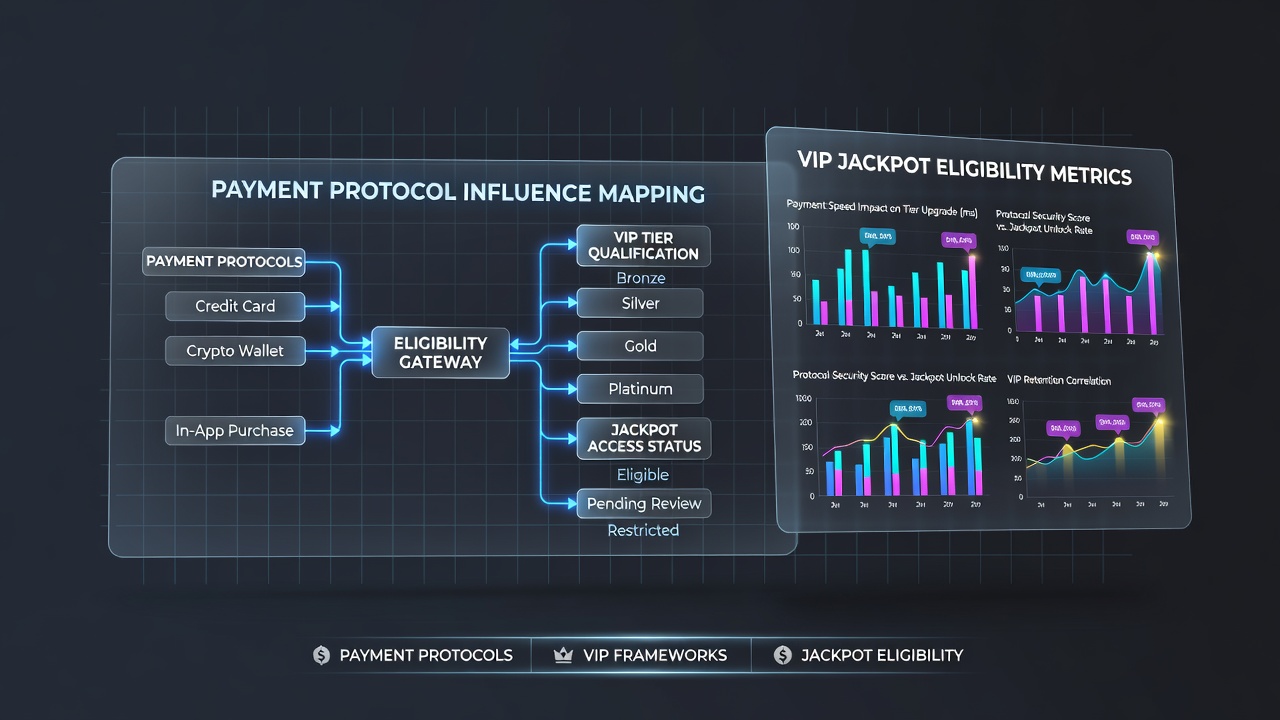
Cryptocurrency protocols often bypass traditional banking delays, yet they introduce wallet address confirmation steps that can extend eligibility review windows when blockchain congestion occurs. Traditional card payments, by contrast, trigger immediate authorization holds that count toward VIP thresholds faster in most documented cases, according to transaction logs analyzed by industry monitoring groups.
Recurring deposit schedules built into some VIP programs reward players who maintain consistent payment patterns, and these schedules directly feed into jackpot qualification algorithms. Accounts showing steady protocol-compliant activity receive priority placement in eligibility queues, while sporadic or mismatched transaction types may trigger additional review layers before jackpot access activates.
Operational Adjustments in Mobile Environments
Mobile platforms embed protocol monitoring within their VIP dashboards so players can track how each payment influences their current eligibility score in real time. These interfaces display pending verifications alongside projected jackpot access dates, which helps users align their deposit strategies with tier requirements without needing external support queries.
Support teams monitor protocol performance metrics continuously, and when a particular payment method shows repeated delays the system automatically suggests alternatives that maintain VIP momentum. Such recommendations appear only after data thresholds indicate consistent impact on jackpot eligibility timelines, keeping the process transparent for account holders.
Conclusion
Payment protocol choices continue to determine jackpot eligibility pathways inside VIP mobile gaming structures through verification speed, compliance routing, and tier integration rules. Operators maintain these connections to satisfy regulatory standards while delivering consistent access for qualifying players across evolving technical environments. As frameworks refine their API linkages and regional standards align further, the relationship between transaction methods and jackpot participation remains a central operational focus for mobile gaming providers worldwide.