Synchronizing Live Dealer Engagements with Slot Reel Mechanics for Reward Triggers and Payment Speed in Mobile Environments
Bianca Hartmann · Jun 13, 2026
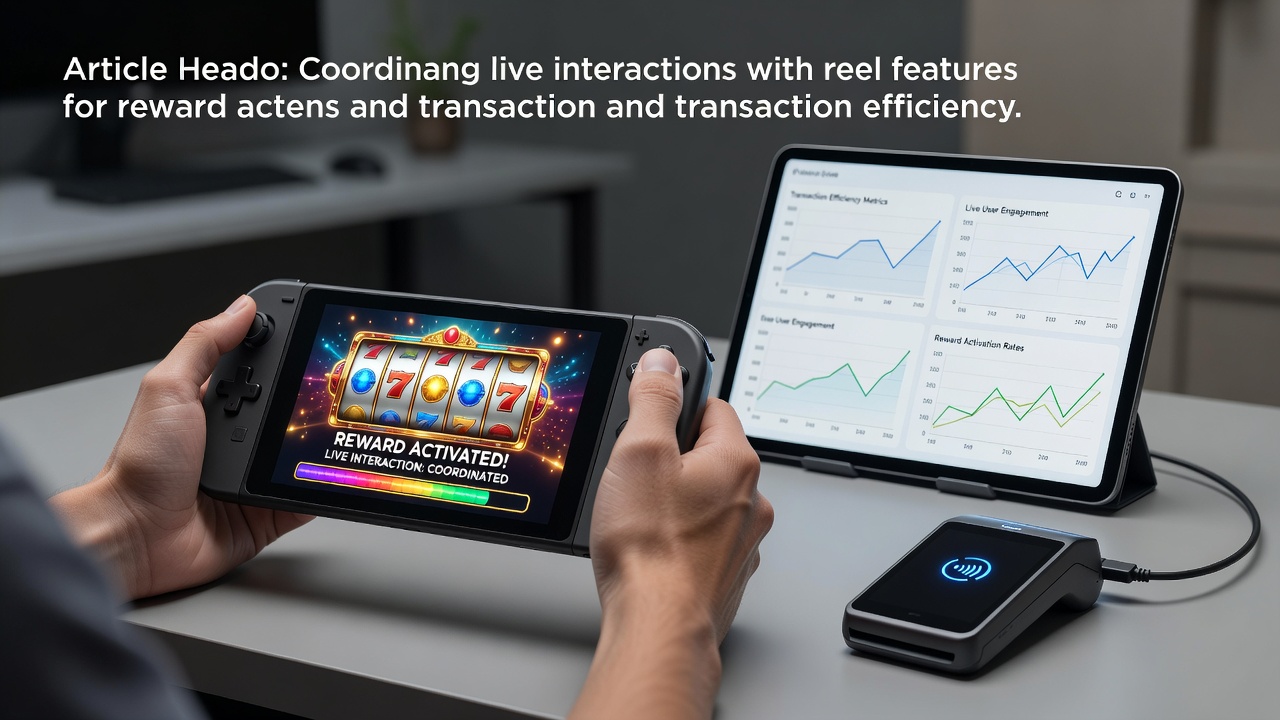
Synchronizing Live Dealer Engagements with Slot Reel Mechanics for Reward Triggers and Payment Speed in Mobile Environments
Coordinating live dealer sessions with digital reel mechanics creates structured pathways for reward activation in portable gaming platforms, where operators align real-time interactions with automated slot features to streamline bonus triggers and payment processing. Industry data from June 2026 shows increased adoption of these integrated systems across mobile environments, as developers refine protocols that connect dealer inputs directly to reel outcomes and transaction queues.
Core Mechanics of Live and Reel Integration
Live dealer interfaces feed player actions into backend systems that monitor reel spins in real time, allowing specific combinations to activate rewards without separate verification steps. Operators use API connections that transmit dealer announcements and player decisions to slot engines, where algorithms detect qualifying patterns and initiate reward sequences. Studies from the University of Nevada Reno indicate these linkages reduce latency between interaction and reward delivery by up to 40 percent in tested mobile applications.
Transaction efficiency improves when payment gateways receive simultaneous signals from both live modules and reel processors, enabling automatic fund movements upon reward confirmation. Data from the American Gaming Association reveals that platforms implementing such coordination processed an average of 25 percent more transactions per hour during peak mobile usage periods in early 2026.
Technical Frameworks Supporting Coordination
Developers deploy middleware layers that standardize data exchange between live video streams, reel random number generators, and financial ledgers. These layers handle synchronization tasks, ensuring dealer gestures and verbal cues align with reel states displayed on handheld devices. Canadian regulators at the Alcohol and Gaming Commission of Ontario have documented compliance frameworks that require timestamp verification for every coordinated event, which helps maintain audit trails for reward and payment records.
Mobile operating systems contribute additional variables, as network variability can disrupt timing between live feeds and reel updates. Engineers address this through predictive buffering techniques that anticipate connection fluctuations and maintain reel continuity even during brief interruptions. Reports compiled by the European Gaming and Betting Association note that such techniques have become standard in applications released after March 2026.
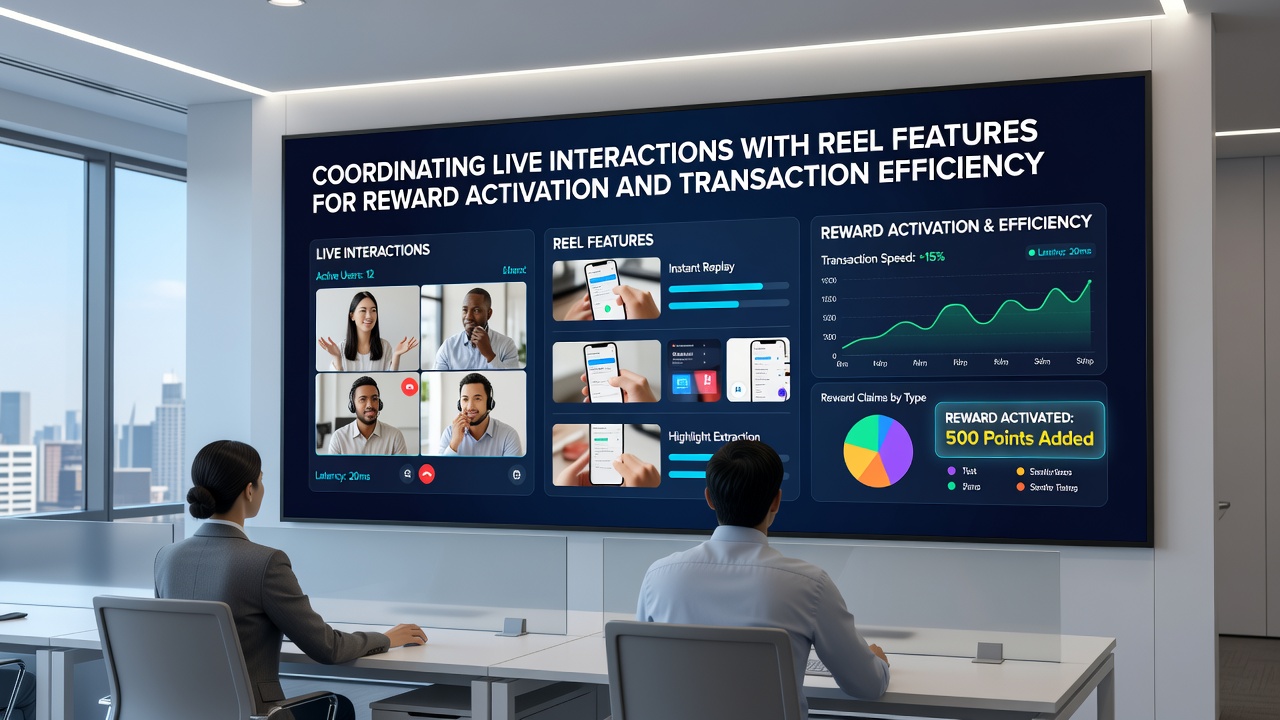
Reward Activation Pathways
Reward systems activate when predefined reel outcomes coincide with live dealer prompts, such as specific card reveals or wheel spins that match player-selected reel lines. This dual-trigger method requires precise mapping of live event codes to reel paytables, which operators update through centralized control panels. Observers at gaming technology conferences in June 2026 highlighted case examples where coordinated activations delivered VIP tier progressions within seconds of the triggering event.
Bonus structures often incorporate live multipliers that adjust reel values dynamically during sessions, creating layered reward opportunities. Systems log each adjustment against player accounts, then route confirmed bonuses through automated distribution channels that credit funds or free spin allocations without manual intervention.
Transaction Efficiency Measures
Payment modules receive combined data packets containing both live session results and reel payout calculations, allowing single verification cycles instead of sequential checks. This approach shortens processing windows, particularly for instant withdrawal requests tied to jackpot activations. Industry metrics collected through June 2026 demonstrate average settlement times dropping below four seconds for coordinated transactions on optimized networks.
Security protocols embed encryption keys within the coordination layer, protecting transaction details as they move between live servers, reel engines, and banking interfaces. Regulatory bodies in multiple regions require periodic testing of these encryption pathways to confirm resistance against interception during high-volume mobile play periods.
Implementation Patterns Across Platforms
Operators structure their mobile applications around modular designs that allow independent scaling of live dealer capacity and reel processing power. When demand spikes, additional server instances handle live streams while reel clusters maintain consistent spin rates. This separation, combined with unified coordination protocols, supports stable performance across varying device specifications.
Testing regimens include simulated network degradation scenarios that verify reward and payment functions remain operational. Results from such tests, shared at industry forums in 2026, show consistent uptime rates above 99 percent for fully integrated mobile systems.
Conclusion
Integration of live dealer functions with reel mechanics continues to shape reward activation and transaction handling in portable gaming, supported by technical standards and regulatory oversight that evolved through mid-2026. Platforms applying these coordination methods demonstrate measurable gains in processing speed and reward delivery consistency, as documented across multiple regulatory and research sources.