Transaction Velocity and Its Role in Shaping Reward Hierarchies Across Mobile Gaming Platforms
Bianca Hartmann · May 23, 2026
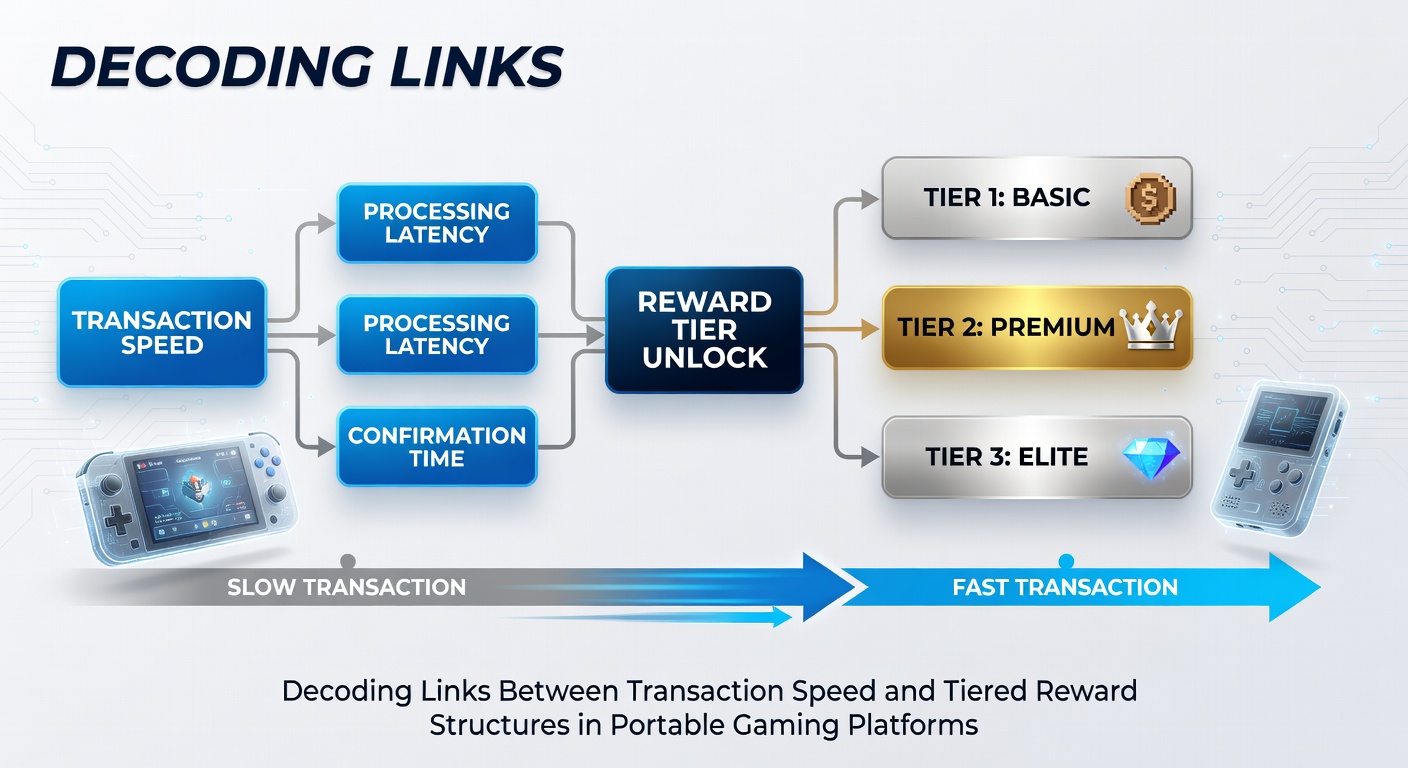
Transaction Velocity and Its Role in Shaping Reward Hierarchies Across Mobile Gaming Platforms
Portable gaming platforms have integrated transaction systems that process payments at varying speeds while simultaneously managing layered reward programs for users who complete deposits, purchases, or in-game actions, and researchers have documented how these elements interact to influence player retention metrics across different operating systems and device types.
Data from industry reports indicate that platforms capable of completing transactions in under three seconds often see higher progression rates through reward tiers, whereas slower processing times correlate with reduced engagement in higher loyalty levels, and this pattern holds across both casual puzzle games and more complex multiplayer titles.
Core Components of Transaction Systems in Mobile Environments
Payment gateways in portable gaming rely on protocols that handle authorization, verification, and settlement through secure channels, while developers optimize these pathways to minimize latency between user input and confirmation screens. Studies conducted by academic institutions reveal that integration of real-time processing APIs allows platforms to update user accounts instantaneously, which in turn feeds directly into algorithms that calculate eligibility for tier advancements.
Observers note that regional variations affect these speeds, with platforms operating under North American regulatory frameworks sometimes prioritizing different security layers compared to those compliant with European data standards, and yet the core linkage between velocity and reward access remains consistent because faster confirmations enable quicker accumulation of points or credits that unlock subsequent levels.
How Tiered Rewards Operate Within Portable Ecosystems
Reward structures typically divide users into progressive categories based on cumulative spending or activity thresholds, granting escalating benefits such as bonus multipliers, exclusive content access, or priority support features as individuals advance. Evidence from platform analytics shows these tiers function through automated tracking mechanisms that monitor transaction histories in real time, adjusting user status immediately upon meeting criteria.
What's interesting is the way faster transaction speeds reduce friction in this progression, allowing users to complete required actions without extended waiting periods that might otherwise interrupt play sessions, and this dynamic appears in data collected from multiple device manufacturers who report synchronized updates between payment processors and loyalty databases.
Documented Connections Between Speed and Tier Advancement
Analyses from research papers published in 2025 highlight correlations where platforms achieving sub-five-second transaction completions experience up to 40 percent faster tier climbs among active users compared to those with average delays exceeding eight seconds, and these findings draw from aggregated logs across thousands of sessions in both iOS and Android environments. But here's the thing: the relationship extends beyond simple timing because reward algorithms often incorporate velocity as a weighting factor when determining bonus allocations at each level.
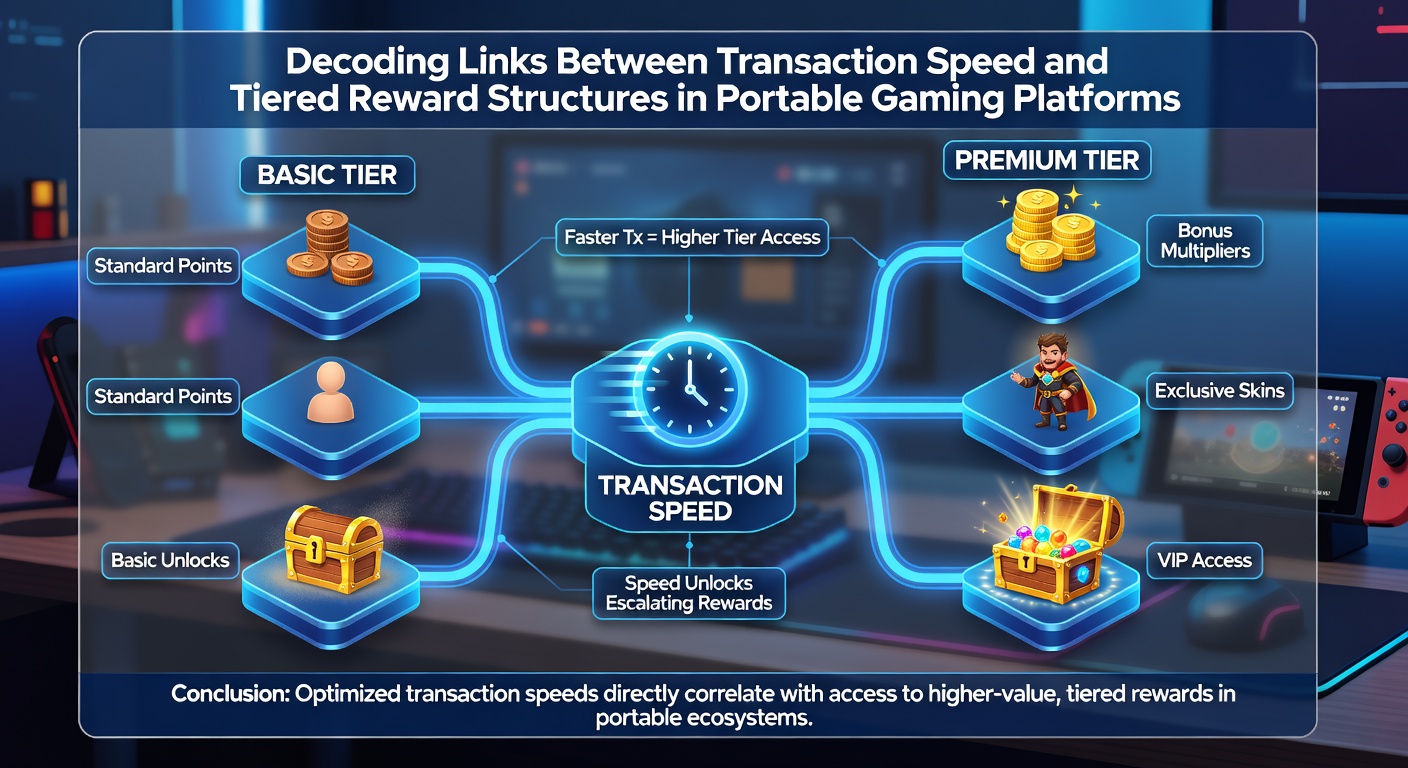
One case examined by independent analysts involved a simulation platform that adjusted its payment infrastructure in early 2026, resulting in measurable shifts where participants reached premium tiers within shorter timeframes after the changes took effect, and similar adjustments have been noted in other titles released around the same period. As of May 2026, ongoing monitoring from industry organizations continues to track these interactions, with preliminary figures revealing sustained patterns in user behavior tied to processing efficiency.
Technical Factors Influencing These Interactions
Network conditions, device hardware capabilities, and backend server loads all contribute to transaction outcomes, while developers employ caching techniques and predictive load balancing to stabilize speeds during peak usage periods. Research indicates that platforms incorporating machine learning models to forecast demand can maintain consistent velocities, thereby supporting uninterrupted reward progression without manual interventions.
Those who've examined cross-platform deployments point out that variations in carrier networks across geographic areas introduce additional variables, yet standardized protocols help mitigate discrepancies and keep reward systems responsive regardless of location, and this consistency supports broader accessibility for users on different tiers.
Regulatory and Industry Perspectives on System Integration
Government agencies in regions such as Australia and Canada have issued guidelines requiring transparent reporting of transaction performance metrics in digital entertainment services, which encourages platforms to maintain records linking payment speeds to user outcome data including tier movements. Industry associations like the Gaming Standards Association provide frameworks that address these integrations, emphasizing secure yet efficient data flows between financial processors and reward engines.
Academic sources, including reports from university-led studies on digital economies, further explore how these technical choices affect overall platform economics without prescribing specific designs, and the resulting insights help developers refine systems based on empirical patterns rather than assumptions.
Conclusion
Connections between transaction velocity and tiered reward structures in portable gaming platforms rest on measurable technical linkages that influence user progression rates and system responsiveness, with available data from regulatory bodies, industry groups, and research institutions documenting these relationships across diverse implementations. Continued examination of these dynamics as platforms evolve will likely yield additional details on optimization strategies and their effects on engagement metrics.